April 16, 2026 · Oskar Glauser
Email marketing for salons: simple newsletter ideas that bring clients back
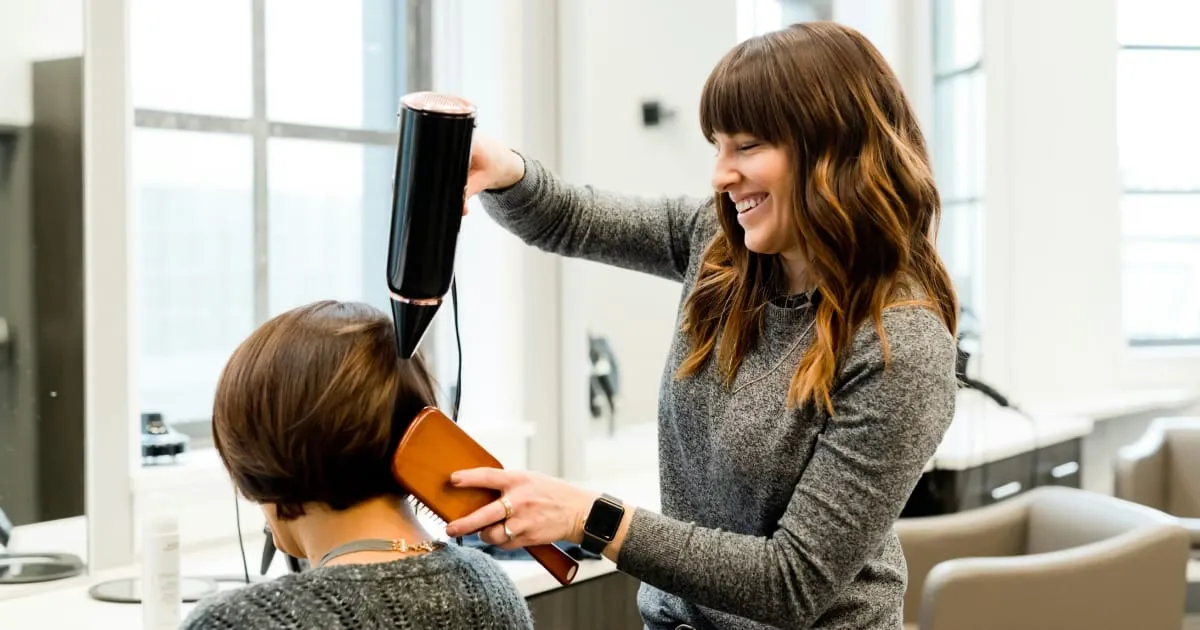
Email marketing for salons works best when it feels like good client care, not a hard sell. If you run a salon, you do not need a huge marketing plan or daily social posts to stay top of mind. A simple newsletter can help you rebook regulars, fill quieter days, highlight seasonal treatments, and remind clients why they love coming to you in the first place.
That matters because email usually reaches more of your existing clients than social media does. Organic social reach is often low, while email open rates are commonly much higher. And when someone opens an email, they are usually paying more attention than they would to a post they scroll past in seconds.
For a salon owner, that is a real advantage. You already have the hard part: real client relationships. Email helps you stay connected between appointments.
Why salons should not rely only on social media
A lot of salon owners treat Instagram as their main marketing channel, and that makes sense. Hair, nails, brows, lashes, and skincare are visual services. Before and after photos can do a lot of work.
Still, social media has one big limitation. You do not control who sees your posts.
If 1,000 people follow your salon on Instagram, only a small slice may see a typical post. If 300 clients are on your email list, a much larger share may open your newsletter. That is a smaller audience on paper, but often a far more reachable one.
Email also catches people in a different mindset. Someone may scroll past a balayage photo while waiting in line at the grocery store. A client opening an email called “Time for your spring hair refresh?” is already thinking about booking.
If you want a fuller picture of how these channels compare, read email marketing vs social media for small businesses.
What a salon newsletter should actually do
A good salon newsletter does not try to say everything at once. It has one job: give people a reason to think about booking.
That reason might be:
- A reminder that maintenance appointments are coming up
- A seasonal treatment that fits the time of year
- A quiet-week opening they can grab
- A useful tip that builds trust
- A small client appreciation message that keeps the relationship warm
What usually does not work is the opposite: constant discounts, endless announcements, or generic “book now” emails with no context.
Clients come back when your emails feel relevant and personal. Not robotic. Not desperate. Just useful.
How often should a salon send emails?
For most salons, 2 to 4 emails per month is plenty.
That could look like this:
- One monthly newsletter with updates, seasonal ideas, and one clear booking focus
- One gentle rebooking nudge around mid-month
- One quiet-week promotion when you need to fill gaps
- One occasional client appreciation or event email
You do not need to email every week if you do not have something worth sending. But you also do not want to disappear for three months and then show up with a big sales email.
Consistency matters more than frequency. A salon with 200 active clients can do very well with just two thoughtful emails a month if those emails are timely and easy to act on.
Four simple newsletter ideas that bring clients back
Rebooking nudges that feel helpful
Many salon services have a natural return cycle. Hair color may need refreshing in 6 to 8 weeks. Bang trims, root touch-ups, brow shaping, lash fills, facials, and gel nails all have their own rhythm.
That makes rebooking emails one of the easiest wins. You are not inventing demand. You are reminding clients about something they already need.
What to send
Write a short email around maintenance timing. Keep it light and useful.
Examples:
- “If your color is starting to lose its shine, now is a great time to book before weekends fill up.”
- “Been about six weeks since your last cut? A quick refresh now can keep your style easy to manage.”
- “Spring is usually a busy time for event hair, so if you have weddings or parties coming up, it is smart to book ahead.”
Why it works
This kind of email lowers the mental load for your client. They may already know they need an appointment, but they have not gotten around to it. Your message gives them a timely nudge.
Make it stronger
- Mention timing, not pressure
- Focus on maintenance and convenience
- Include one clear call to action
- Keep the email short enough to read on a phone in under 30 seconds
Seasonal treatment emails that feel timely
Another easy angle is seasonality. Salon services naturally connect to what clients are already dealing with.
In winter, people notice dry scalp, static, dullness, and brittle ends. In summer, they think about frizz, sun exposure, faded color, and travel-ready beauty routines. Around holidays, they may want polished hair, nails, or skin for events and photos.
That gives you natural newsletter themes all year.
Seasonal email ideas for salons
- Spring hair refresh, trims, glosses, brow shaping
- Summer anti-frizz treatments, color protection, lash and brow services before travel
- Autumn repair treatments, richer color tones, post-summer hair recovery
- Holiday party-ready styling, gift card mentions, festive nail or beauty packages
- January reset facials, scalp care, hydration treatments, fresh-start beauty appointments
A simple structure that works
Use this three-part formula:
- Name the seasonal problem
- Suggest one or two relevant services
- Invite people to book before busy dates
For example:
“Winter can leave hair dry and flat. If your ends feel rough or your scalp is irritated, this is a good month for a trim and a deep conditioning treatment. We are already seeing weekend appointments fill up, so book early if you want your preferred time.”
Useful. Specific. Easy to act on.
Quiet-week promotions that protect your calendar
Every salon has slower patches. Maybe Tuesdays are quiet. Maybe the week after a holiday is slow. Maybe rainy months bring more cancellations.
This is where email becomes especially practical.
Instead of discounting all the time, use occasional promotions to fill specific gaps.
Good quiet-week offer ideas
- A weekday-only add-on, such as a free conditioning treatment with a color service
- A limited number of discounted blowouts on slower afternoons
- A “book this week” package for a cut plus treatment
- A small perk for appointments at less popular times
The framing matters. Make the offer about availability, not panic.
For example:
“We have a few quieter spots open this Wednesday and Thursday, so we are offering a complimentary gloss upgrade with any color appointment booked this week.”
That feels timely and specific. Much better than sounding desperate.
Why this works better than constant discounting
If every email is a sale, clients learn to wait for offers. If you use promotions occasionally and tie them to specific dates, they feel more special.
You also protect your pricing and your brand.
Relationship emails that keep your salon top of mind
Not every salon newsletter needs to ask for a booking right away. Some of the best emails simply make clients feel connected to your salon.
You could send:
- A thank-you email after a busy season
- A note celebrating your salon anniversary
- A short introduction to a new team member
- A behind-the-scenes look at how you choose products
- A few home care tips for color, curls, or skin between visits
These emails build loyalty because they remind people there are real humans behind the business. And that matters. A client who feels connected is more likely to come back, refer a friend, and choose you over a cheaper option down the street.
What to put in each salon newsletter
If writing emails feels hard, simplify it. Most salon newsletters only need five parts.
A subject line with a clear reason to open
Skip vague lines like “Newsletter” or “April updates.”
Try:
- Time for your spring hair refresh?
- A few quiet appointments just opened this week
- Your summer hair care starts now
- Need a color refresh before holiday events?
If you want help with stronger subject lines, how to write newsletter subject lines people actually open can help.
A warm opening
Write like you speak in the salon. Friendly, natural, brief.
For example:
“Hi Sarah, if your hair has been feeling dry after winter, you are not alone. We have been helping lots of clients freshen up for spring with trims, glosses, and moisture treatments.”
One main message
Do not cram in five promotions. Pick one focus.
That could be:
- Rebooking before a busy period
- A seasonal treatment
- A quiet-week opening
- A client appreciation note
One clear call to action
Tell people exactly what to do next.
Examples:
- Book your appointment for next week
- Reply to this email if you want help choosing a service
- Reserve your spot before Saturday fills up
A clean, mobile-friendly layout
Most clients will read on their phones. Keep paragraphs short. Use clear buttons or links. Make it easy to skim.
How to personalize without making it complicated
You do not need a complicated system to make your emails feel personal.
Start with the basics:
- Use the client’s first name if your email tool allows it
- Write in a conversational tone
- Mention real seasonal needs your clients actually have
- Send emails to the right list, such as regular clients, facial clients, or hair clients if you keep separate lists
Even simple personalization can make a big difference. “Hi Emma” and “Ready for your next color refresh?” feels much more human than a generic blast to everyone.
Just do not fake closeness. If you do not know exactly when someone last visited, do not guess. Keep the message broad enough to feel relevant without sounding inaccurate.
A few salon newsletter examples you can adapt
Here are some low-effort ideas you can reuse throughout the year.
The maintenance reminder
Subject: Ready for a refresh?
Body:
If your cut or color is starting to feel a little grown out, now is a good time to book before next week fills up. We have a few appointments available and would love to see you in the salon.
The quiet-week filler
Subject: A few weekday appointments just opened
Body:
This week is a little quieter than usual, which means we have some great daytime spots available on Tuesday and Wednesday. Book a color service this week and enjoy a complimentary conditioning treatment.
The seasonal treatment email
Subject: Summer hair care starts before summer
Body:
Sun, heat, and travel can be tough on color-treated hair. If you want to keep your hair shiny and manageable, this is a great time to book a trim or moisture treatment before the season gets busy.
The relationship builder
Subject: Thank you for keeping us busy this spring
Body:
We just wanted to say thank you for supporting our salon this season. It means a lot that you choose us for your hair and beauty appointments. We are excited for summer and have some fresh treatment ideas coming soon.
Common mistakes salon owners make with email
Even a simple newsletter can underperform if it falls into a few common traps.
Sending only when you are desperate for bookings
Clients can feel this. If the only time you email is when your calendar is empty, your messages will feel reactive and sales-heavy.
Writing too much
People do not read salon emails like a magazine. Get to the point fast.
Offering discounts too often
A small promotion can work well for quiet weeks. Constant discounts train clients to wait.
Forgetting the client’s point of view
Your salon renovation, new chair, or supplier update may matter to you. The client usually cares more about how you can help them look good, save time, or feel taken care of.
Ignoring email results
Open rates can be misleading because of privacy tools, so do not obsess over them. Clicks, replies, and actual bookings are often more useful. If one type of email gets better results, do more of that.
Keep your salon emails simple enough to actually send
The best salon email marketing plan is the one you will keep doing.
Not a 12-step funnel. Not a giant content calendar. Not a polished campaign that takes six hours to build.
Just a simple rhythm of helpful emails that remind clients to come back.
Start with one newsletter this month. Pick one angle: rebooking, a seasonal treatment, or a quiet-week offer. Write it like you are talking to a regular client in your chair. Then send it.
A lot of salon growth comes from small, repeated actions. One good email is one of them. What could you send this week that would make a client think, “Actually, I should book that now”?